

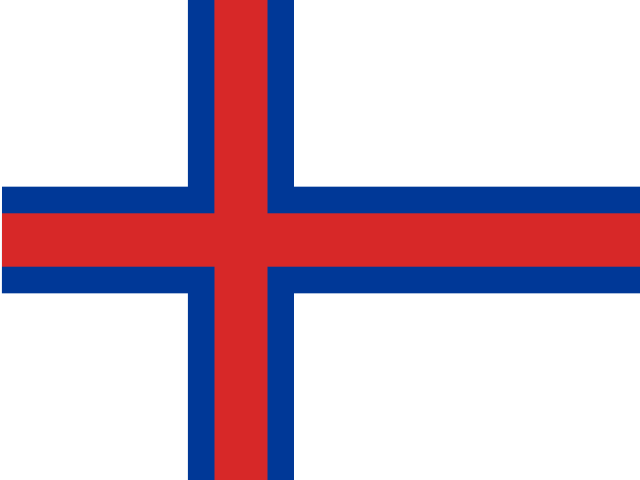
Faroe Islands (Føroyar), Denmark unfold across the North Atlantic where dramatic cliffs, turf-roofed villages, and mist-covered mountains create a landscape shaped by wind, sea, and isolation. The rhythm moves between tiny fishing harbors, winding coastal roads, and steep green valleys where waterfalls plunge directly into the ocean. Traditional Nordic culture, unpredictable weather, and endless seabird colonies give the islands a raw and cinematic atmosphere unlike anywhere else in Europe. Through virtual travel experiences, viewers can explore the Faroe Islands beyond familiar impressions, while POV virtual tours and First person walking tours bring its villages, coastlines, and mountain paths into motion. Immersive travel and Interactive virtual tourism transform the Faroe Islands into a vivid journey of nature, culture, and discovery.
The Faroe Islands, an autonomous territory within the Kingdom of Denmark, blend dramatic natural landscapes with a unique cultural heritage, offering a mix of stunning coastal cliffs, diverse birdlife, and a tranquil atmosphere. Situated in the North Atlantic Ocean, the Faroes provide a captivating mix of rugged scenery and remote charm. The Vestmanna Bird Cliffs, a prominent natural attraction, feature stunning coastal cliffs and diverse bird populations. The Saksun village, a picturesque settlement, showcases traditional Faroese architecture and scenic landscapes. The National Museum of the Faroe Islands features exhibits on the islands’ history and cultural artifacts. The Faroe Islands’ culinary scene features a delightful mix of traditional Faroese and Nordic cuisine, with restaurants serving fresh seafood, lamb, and diverse culinary offerings. The local markets and village shops offer a variety of local produce, artisanal goods, and woolen products. The coastlines and surrounding mountains provide opportunities for scenic walks, hiking, and birdwatching. The Faroe Islands’ transportation network, including ferries, buses, and tunnels, facilitates travel within the islands and to surrounding areas. The islands experience a subpolar oceanic climate, with cool summers and mild winters. The Faroe Islands’ cultural attractions, such as the Nordic House and the Listasavn Foroya, highlight the islands’ artistic and cultural contributions. The islands’ cultural scene includes festivals, traditional music, and dance, reflecting the region’s unique traditions. The Faroes’ blend of dramatic landscapes and cultural heritage creates a distinct and appealing destination. The local communities and events foster a tranquil atmosphere, making the Faroe Islands a serene destination for visitors. The Faroe Islands are a vital center for fishing, tourism, and culture in the North Atlantic, contributing significantly to the region’s economy and cultural preservation.