

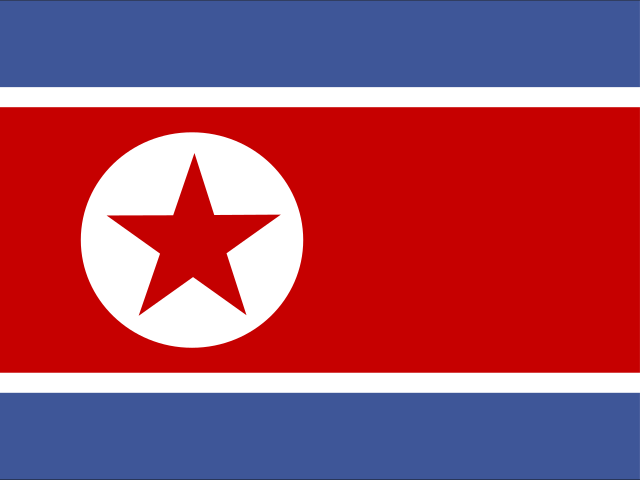
Pyongyang, North Korea unfolds along the wide Taedong River where monumental architecture, expansive boulevards, and carefully planned public spaces create a capital shaped by symbolism and order. The rhythm moves between grand squares, riverside promenades, and structured districts that reflect state design and historical narrative. Wide vistas, statues, and towering landmarks define a cityscape that feels both vast and tightly composed. Through virtual travel experiences, viewers can explore Pyongyang beyond familiar impressions, while POV virtual tours and First person walking tours bring its streets, riverfront, and civic spaces into motion. Immersive travel and Interactive virtual tourism transform Pyongyang into a vivid journey of architecture, culture, and discovery.
Pyongyang, the capital city of North Korea, is a unique and tightly controlled metropolis that blends socialist architecture with national symbolism, offering a distinctive mix of historical landmarks, grand monuments, and a carefully curated urban landscape. Situated on the banks of the Taedong River, Pyongyang offers a captivating blend of state-sponsored attractions and carefully managed spaces. The Tower of the Juche Idea, a prominent landmark, symbolizes the national ideology. The Kumsusan Palace of the Sun, the mausoleum of Kim Il-sung and Kim Jong-il, features grand architecture and exhibits. The Victorious Fatherland Liberation War Museum showcases the country’s military history. Pyongyang’s culinary scene is a mix of traditional Korean cuisine with state-controlled restaurants serving dishes like Pyongyang raengmyeon and kimchi. The city’s markets, such as the Tongil Market, offer a variety of local produce and limited goods. The nearby river and parks offer opportunities for organized recreation and scenic views. Pyongyang’s transportation network, comprising metro, buses, and trolleybuses, ensures state-managed travel within the city. Travelers should be prepared for strict regulations, limited access, and monitored activities. The currency is the North Korean Won (KPW), and Korean is the primary language. The most favorable times to visit, when permitted, are during the spring and autumn months, when the weather is relatively mild and pleasant. Pyongyang, a city of ideological significance and national symbolism, offers a unique and controlled experience. The city’s monuments and statues, like the Mansudae Grand Monument, reflect the national narrative. The carefully managed cultural scene, with its mass dances and performances, adds to the city’s state-sponsored dynamism. The local artisans, with their embroidery and ceramics, keep traditional skills alive. The city’s parks and riverfront areas, like the Taedong River embankment, provide organized spaces for recreation. The local cuisine, with its traditional Korean dishes, is a testament to the region’s culinary heritage. Pyongyang, a city of contrasts, offers a blend of socialist architecture and national symbolism. The city’s architecture reflects a mix of grand monuments and state-controlled designs. The local markets are a hub of limited social and economic activity. Pyongyang, a hub of government and ideology, is a vital political center in North Korea.