

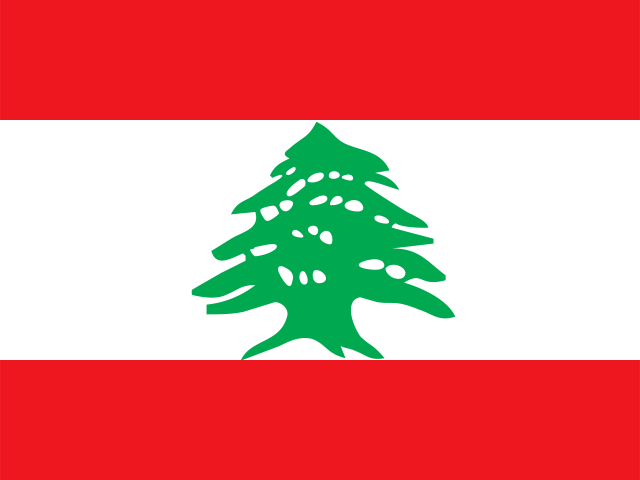
Tripoli, Lebanon unfolds with a rich tapestry of history and coastal energy, where medieval citadels, bustling souks, and sunlit seaside districts create a city layered with culture and time. The Old City’s narrow alleys, carved stone architecture, and vibrant markets contrast with modern waterfront life and everyday urban rhythm. The atmosphere shifts between heritage-filled corners and lively streets filled with movement, trade, and tradition. Through virtual travel experiences, viewers can explore Tripoli beyond familiar impressions, while POV virtual tours and First person walking tours bring its historic quarters and coastal spaces into motion. Immersive travel and Interactive virtual tourism transform Tripoli into a vivid journey of history, culture, and discovery.
Tripoli, a city in northern Lebanon, is a blend of historical landmarks, diverse neighborhoods, and a bustling commercial center, offering a unique blend of cultural attractions and urban life. Situated on the shores of the Mediterranean Sea, Tripoli offers a captivating blend of ancient history and modern activity. The Citadel of Raymond de Saint-Gilles, a Crusader-era fortress, offers panoramic views of the city and the sea. The Taynal Mosque, a Mamluk-era mosque, showcases Islamic architecture and religious significance. The Tripoli Souks, a network of traditional markets, offer a variety of local produce, handicrafts, and souvenirs. Tripoli’s culinary scene is a diverse mix of Lebanese and Mediterranean cuisine, with restaurants serving fresh seafood, meze, and traditional dishes, such as kibbeh and manakish. The city’s beaches offer opportunities for swimming, sunbathing, and water sports. Tripoli’s transportation network, comprising buses, taxis, and ride-sharing services, ensures convenient travel within the city and to surrounding areas. Travelers should be prepared for potential traffic congestion and political instability. The currency is the Lebanese Pound (LBP), and Arabic is the primary language. The most favorable times to visit are during the spring and autumn months, when the weather is mild and pleasant. Tripoli, a city of Mamluk heritage, offers a glimpse into a rich Islamic past. The city’s historical sites, like the Ottoman-era clock tower and the traditional hammams, reflect its diverse cultural influences. The vibrant commercial districts, with their shops and markets, showcase its economic activity. The coastal setting provides a relaxing atmosphere and opportunities for seaside activities. The local artisans, with their soap-making and traditional crafts, keep ancient traditions alive. Tripoli, a city of contrasts, offers a dynamic and historical experience. The city’s architecture reflects a mix of Islamic and European styles. The local cuisine is renowned for its seafood and sweets. Tripoli, a hub of trade, is a vital economic center in northern Lebanon.